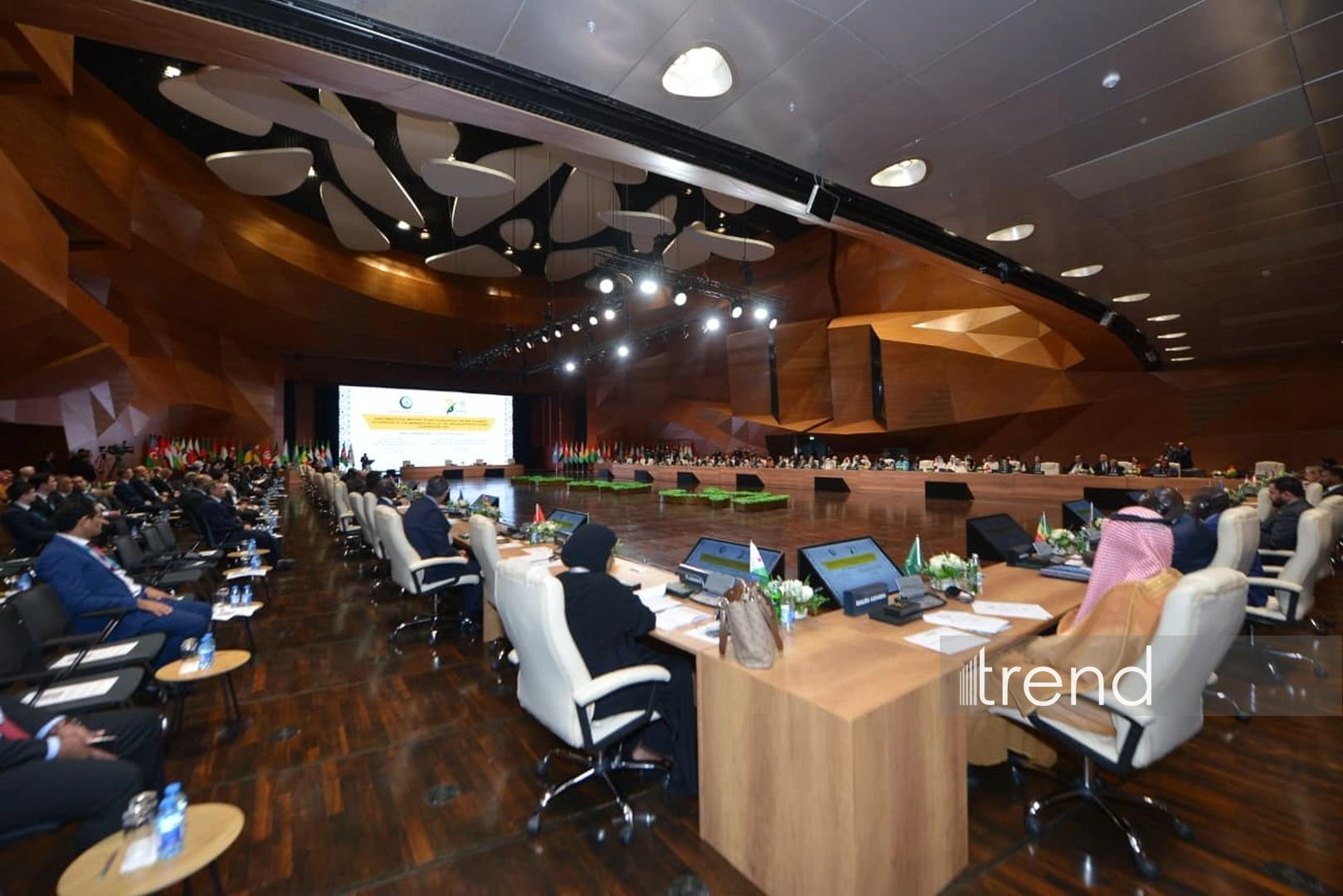
BAKU, Azerbaijan, October 28. Participants in
the third high-level meeting of heads of law enforcement agencies
responsible for combating corruption in member states of the
Organization of Islamic Cooperation (OIC), held in Baku, stressed
the importance of expanding international cooperation and the
exchange of experience and information, Trend’s correspondent reports from the
event.
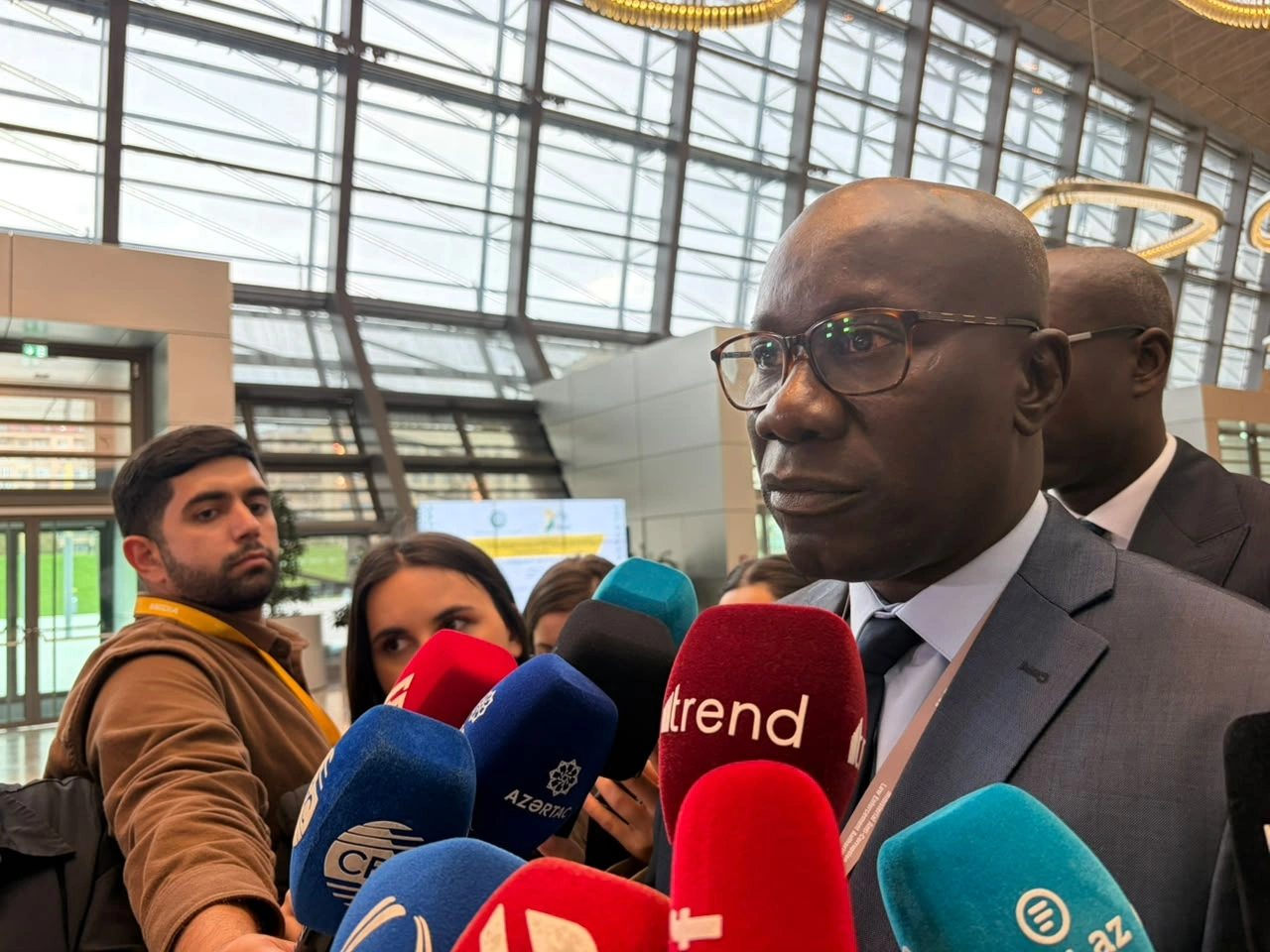
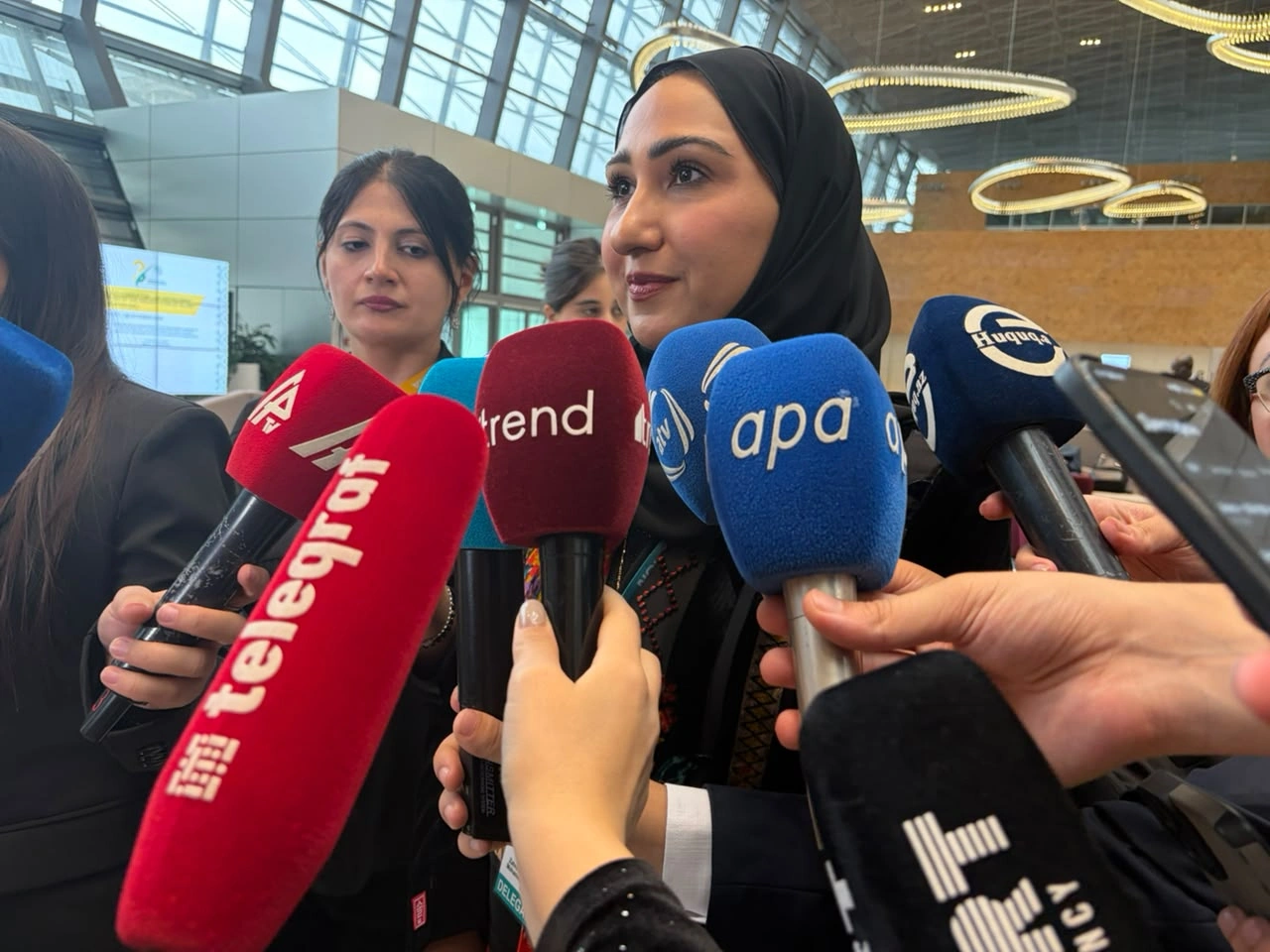
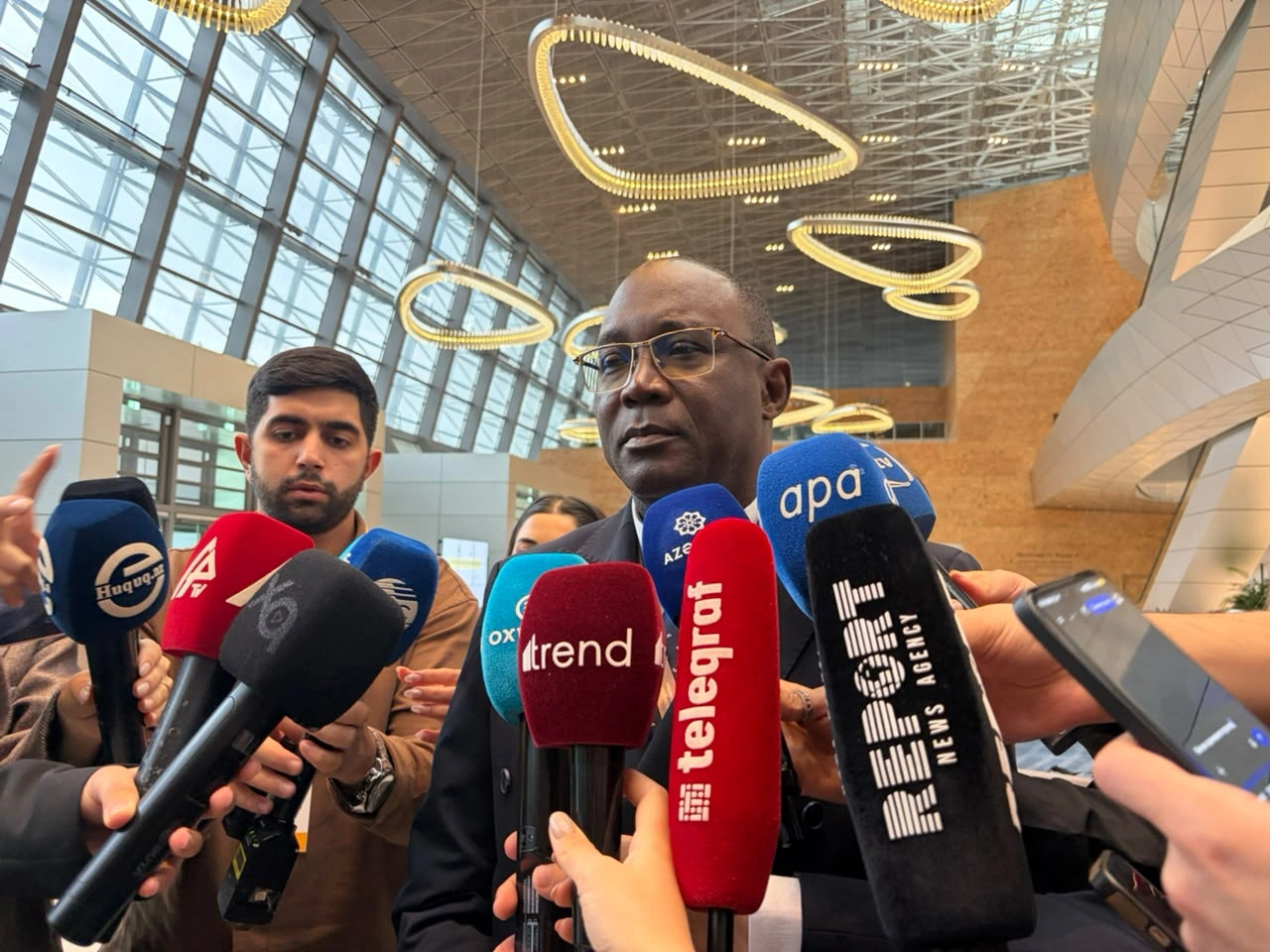
Representatives of Burkina Faso, Tunisia, Oman and Senegal spoke
to journalists about the significance of the meeting, praising
Azerbaijan for its organization and hospitality.
Lassane Compaore, State Controller General at Burkina Faso’s
Supreme Authority for State Control and Fight against Corruption,
welcomed the third ministerial meeting on behalf of his country’s
authorities and delegation.
“We welcome the holding of this third meeting. The first meeting
took place in Jeddah, while the second was held in Doha two years
ago. This initiative serves to unite the efforts of different
countries in the fight against corruption. In this regard, we are
proud to be in Baku. We have received a very warm welcome here and
greatly appreciate Azerbaijan’s hospitality,” Compaore said.
Imed Hazgui, head of Tunisia's High Committee for Administrative
and Financial Control (HCCAF), said the Baku meeting offered an
important opportunity to advance cooperation among Islamic
countries in combating corruption and recovering assets.
“During the meeting, we discussed ways to accelerate the entry
into force of the Makkah Al-Mukarramah Convention and develop
mechanisms for cooperation in combating corruption and recovering
assets. We also considered prospects for bilateral and multilateral
cooperation between states and possible areas for further
engagement,” he said.
Hazgui added that the event was also valuable for sharing best
practices and discussing effective ways to counter emerging risks
and threats.
“Criminal groups are increasingly using new technologies and
artificial intelligence to evade punishment and conceal assets.
This creates new threats for states,” he said.
Zahra bint Mohammed Redha Al Lawati, Deputy Chairman of the
State Financial and Administrative Audit Authority for the Audit of
Authorities, Investments and Companies, said the meeting was
particularly important for advancing the implementation of the
Makkah Al-Mukarramah Convention. She highlighted the need to
strengthen cross-border information exchange, mutual legal
assistance, the tracing and recovery of assets, and coordination
among law enforcement agencies.
“Our priority is to translate international commitments into
practical mechanisms and measurable results, strengthen
institutional capacity and protect public funds,” the Omani
representative said.
According to her, effective anti-corruption systems should
combine preventive measures, risk-based oversight, early detection
and law enforcement.
Al Lawati also thanked the Prosecutor General’s Office of
Azerbaijan for the high standard of organization and warm
hospitality.
“Baku is a beautiful and vibrant city where a rich cultural
heritage meets modern development. The warmth of its people made
this visit particularly memorable,” she added.
Moustapha Ka, head of Senegal’s National Office for the Fight
against Fraud and Corruption (OFNAC), also expressed his
appreciation for Azerbaijan’s hospitality and Baku’s cultural
richness. He said Senegal was represented at the meeting by a
five-member delegation.
“In addition to our professional discussions, we visited tourist
attractions and historical monuments. Baku is a very modern city
that has also preserved its historical monuments, history and
culture. The cultural richness of the Azerbaijani people,
particularly their hospitality, left a very positive impression on
us,” Ka said.
The OFNAC head also spoke about anti-corruption reforms in
Senegal, saying that the issue had become a priority following the
democratic transfer of power in the country in 2024. He said
measures were being taken to establish a legal framework aligned
with international standards and build strong institutions with
broad powers.
Ka said the agency he leads conducts investigations, receives
asset declarations from public officials required to submit them,
and carries out public awareness campaigns.
“We investigate reported cases of corruption to identify those
responsible and bring them before the competent courts. We have
also established a mechanism that allows anyone with information
about corruption to report it to OFNAC,” he added.