BAKU, Azerbaijan, August 6. Kyrgyz President
Sadyr Japarov has signed the country's Merchant Shipping Code,
establishing a legal framework for exercising the rights of a
landlocked state in international maritime transport.
This was reflected in a press release published by the press
office of the Kyrgyz president.
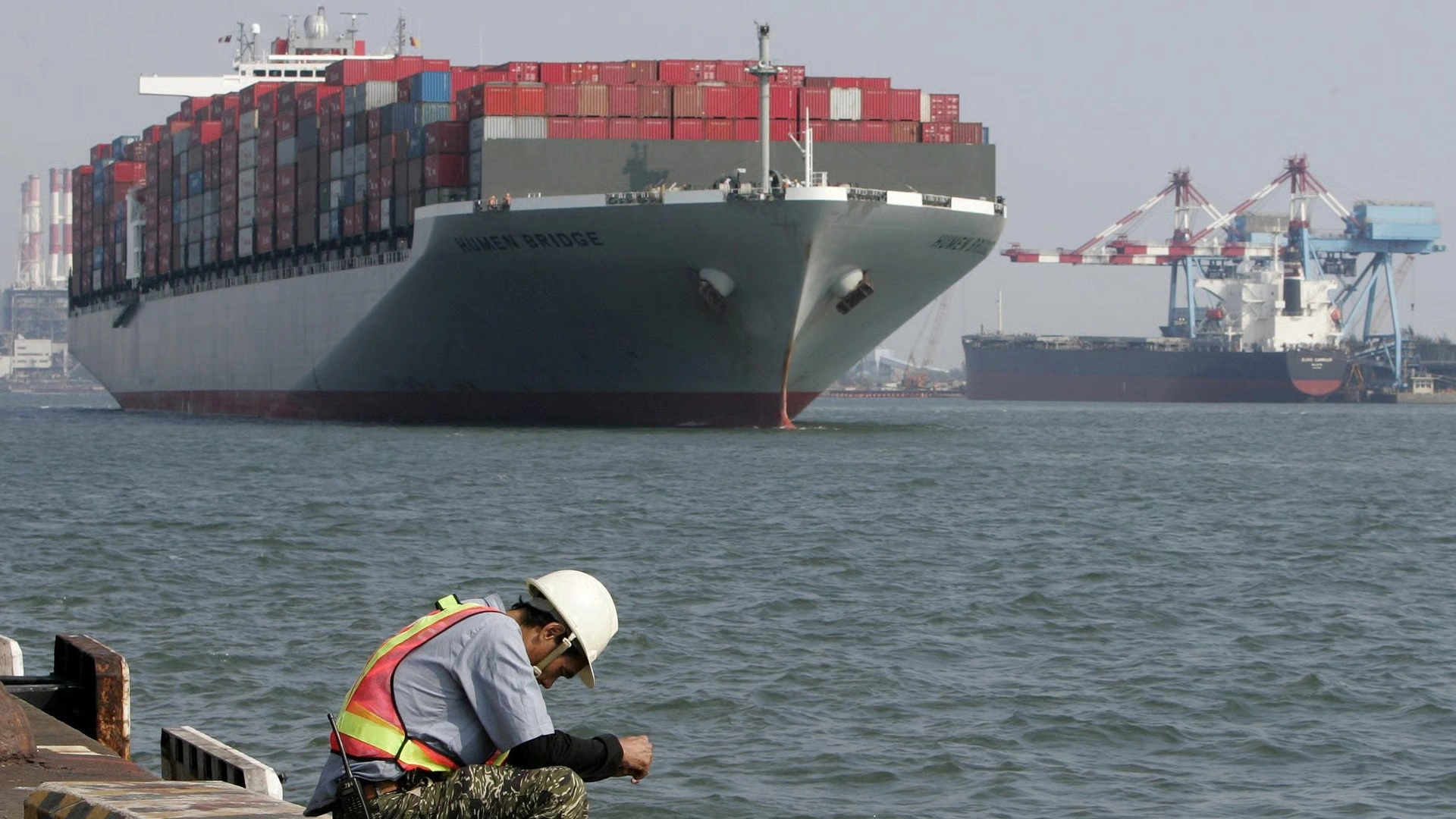
"The code defines the legal, economic and organizational
foundations of merchant shipping and implements the rights of the
Kyrgyz Republic, as a landlocked state, to access the open sea and
enjoy freedom of merchant shipping in accordance with international
law," the statement said.
According to the document, the code will regulate merchant
vessels sailing under the Kyrgyz flag, while separate provisions
will apply to inland navigation on Lake Issyk-Kul under national
inland water transport legislation.
The legislation also establishes legal guarantees for
state-owned non-commercial vessels, including jurisdictional
immunity in accordance with international law and treaties to which
Kyrgyzstan is a party. The code will enter into force six months
after its official publication.
The adoption of the code follows Kyrgyzstan's accession to the
Convention on the International Maritime Organization (IMO) in 2024
and creates the domestic legal framework required for participation
in international merchant shipping. Although the country has no
coastline, international law grants landlocked states the right to
register vessels under their own flag and access global maritime
trade through transit states.
Trend's analysis
suggests the timing of the legislation is significant, as it comes
just weeks after Pakistani President Asif Ali Zardari's visit to
Bishkek, where the two countries identified access to Pakistani
seaports as one of the priorities of bilateral economic
cooperation. During the talks, the sides discussed expanding the
use of the ports of Karachi, Port Qasim and Gwadar for Kyrgyz
trade, alongside broader transport connectivity initiatives linking
Central Asia with the Indian Ocean. While the Kyrgyz authorities
have not directly linked the Merchant Shipping Code to those
discussions, the two developments point in the same direction:
strengthening the legal and logistical foundations for the
country's long-term integration into global maritime trade despite
its landlocked geography.