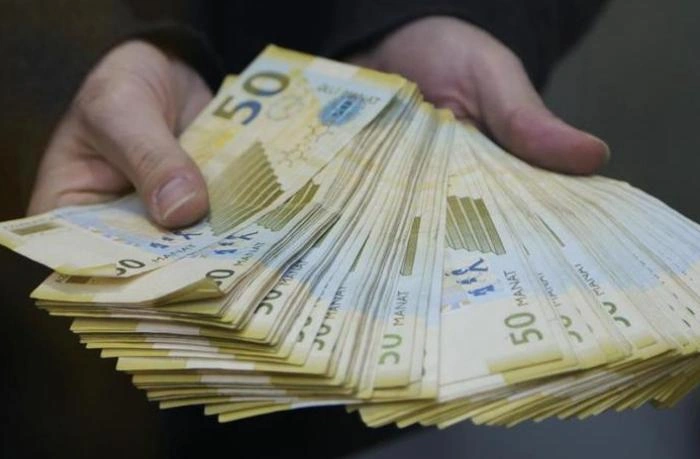
BAKU, Azerbaijan, September 7. Currency
reserves of the Central Bank of Azerbaijan (CBA) elevated as of
September 1, 2026.
This was reflected in the report issued by the CBA.
According to the information, as of the reporting period, the
reserves amounted to $15.3 billion, marking an increase of $1.53
billion, or 11.1%, compared to August 1, 2026.
At the same time, the CBA's currency reserves rose by $4.05
billion, or 36%, year-on-year.
"Against the background of the current account surplus and the
continuation of the dedollarization process in the financial
sector, supply in the foreign exchange market exceeded demand. In
these circumstances, in August of this year, the Central Bank
carried out a purchase intervention in the amount of $1.5 billion.
As a result, the Central Bank's foreign exchange reserves increased
by $3.8 billion or 33% over the past period of this year to a
historical maximum of $15.3 billion.
It's not excluded that all or part of the foreign exchange
purchased from the foreign exchange market may be redirected to the
market in order to ensure balance, depending on the demand that
will be formed in the market in the future.
In the event that the Central Bank continues to participate in
purchase or sale operations in the foreign exchange market in order
to maintain macroeconomic stability, information about this will be
disclosed," the report emphasized.
The report added that Azerbaijan's monetary base totaled 24.2
billion manat ($14.2 billion) as of September 1, 2026.
According to the report, this was 296.2 million manat ($174.2
million), or 1.24%, higher than on August 1, 2026. Moreover, the
monetary base increased by 3.1 billion manat ($1.8 billion), or
14.8%, year-on-year.
Speaking at a press conference on the interest rate corridor,
CBA Chairman Taleh Kazimov noted that strong foreign currency
supply in the market had enabled the central bank to carry out
purchase interventions this year, with the trend expected to
continue through year-end.
"We expect the Central Bank to continue intervening in the
foreign exchange market by purchasing currency by the end of this
year," Kazimov said.
According to him, foreign currency supply significantly exceeded
demand in both the cash and non-cash segments during the first six
months of the year. From January through June, exchange offices
bought $482 million more in cash foreign currency from customers
than they sold. At the same time, the dollarization rate of
resident individuals' deposits fell by 3.8 percentage points over
the past 12 months to 25.6%.
Kazimov said weaker demand for foreign currency allowed the CBA
to conduct purchase interventions, increasing its foreign exchange
reserves by $2.2 billion, or 19.5%, to $13.8 billion in the first
half of the year.
He added that declining demand was also reflected in foreign
exchange auctions. Of the 34 auctions scheduled since April 1, 23
were canceled due to a lack of demand.
"We offered $70 million for sale at an auction, but there were
no buyers. This is the first time such a situation has occurred
since 2016–2017. In fact, no foreign exchange auctions were held at
all in May," the CBA chairman said.
Kazimov said that one of the main reasons was the interbank
foreign exchange trading system operating through the Bloomberg
platform since 2022.
"Banks now meet their foreign currency needs directly with each
other. When one bank has demand, and another has sufficient foreign
currency reserves, they conduct transactions between themselves. As
a result, there is no longer a need for Central Bank foreign
exchange auctions. This is a very important development," he
said.
The monetary base is the primary money supply created and
directly controlled by the central bank. It consists of two main
components: cash in circulation held by households and businesses,
and commercial banks' required and excess reserves deposited with
the Central Bank.