BAKU, Azerbaijan, September 7. Turkmenistan has
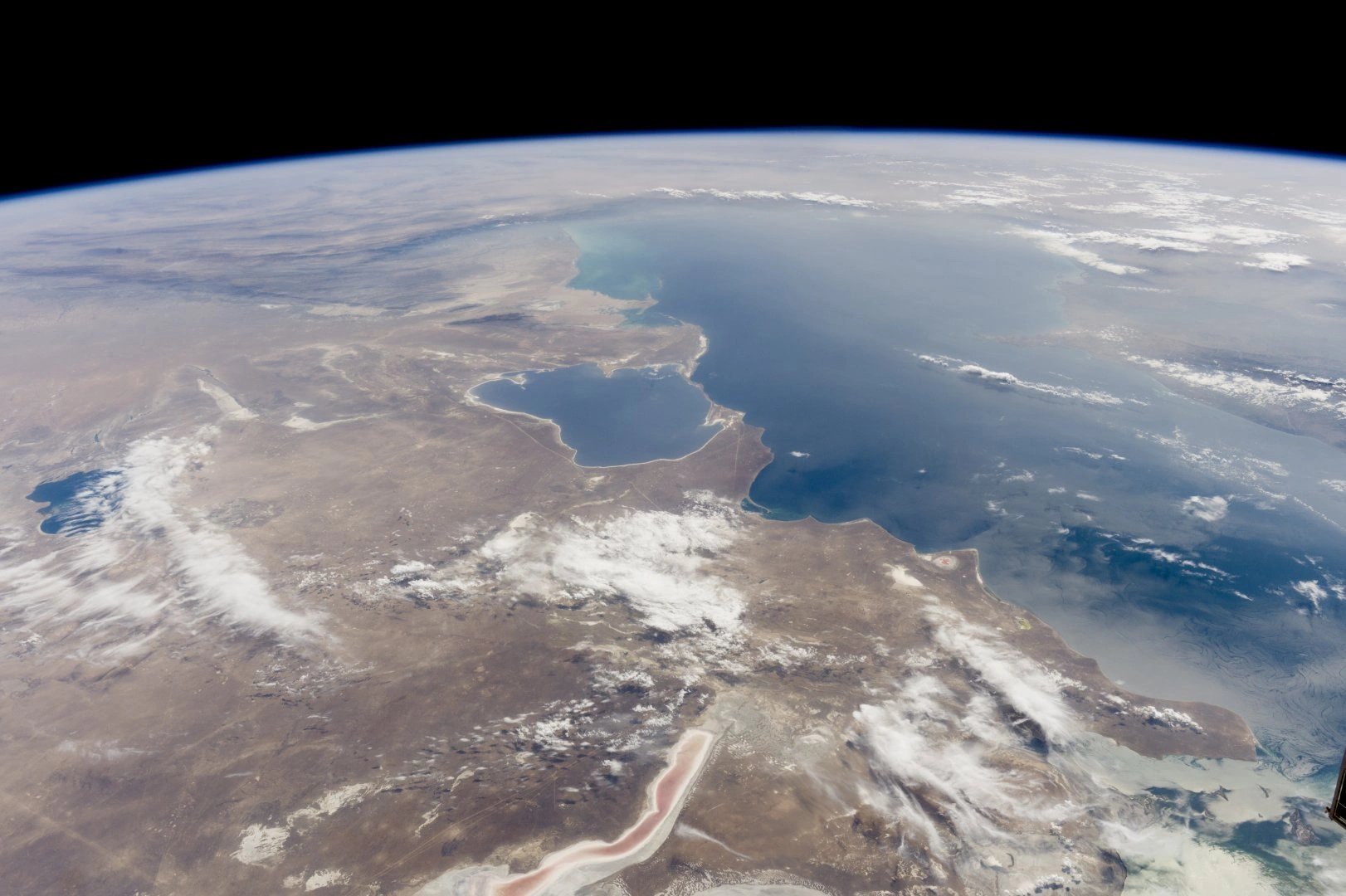
placed the Caspian Sea's shallowing at the center of an
international training program on sustainable marine
management.
This was reflected in a statement published by the press service
of the Turkmen government on September 7 following the opening of
the 11th International Training Course "Caspian Sea - Sustainable
Development and Management" in Ashgabat.
According to the statement, this year's program gives particular
attention to the environmental condition of the Caspian Sea and
issues related to its declining water level.
The course, organized by Turkmenistan's Foreign Ministry, the
Caspian Sea Institute and the International Ocean Institute, brings
together specialists from all five Caspian states and runs through
September 18.
"The course places special emphasis on issues of international
maritime law, as well as environmental problems in the Caspian Sea.
In this regard, the relevance of the course’s subject matter is
underscored in light of the proclamation of 2028 as the “Year of
International Law, 2028” by UN General Assembly Resolution 80/295,
initiated by Turkmenistan and adopted on July 24, 2026, by
consensus with the support of 78 co-sponsoring states," the report
noted.
The statement noted that the program has been held in
Turkmenistan since 2013 and has trained 175 specialists from
Turkmenistan, Azerbaijan, Iran, Kazakhstan, Russia and China.
The issue has gained increasing economic significance as lower
Caspian water levels affect port operations, shipping routes and
coastal infrastructure across the region. For Turkmenistan, whose
Turkmenbashi International Seaport serves as a key gateway for
Trans-Caspian cargo flows, maintaining efficient maritime
connectivity has become increasingly important for trade and
logistics.
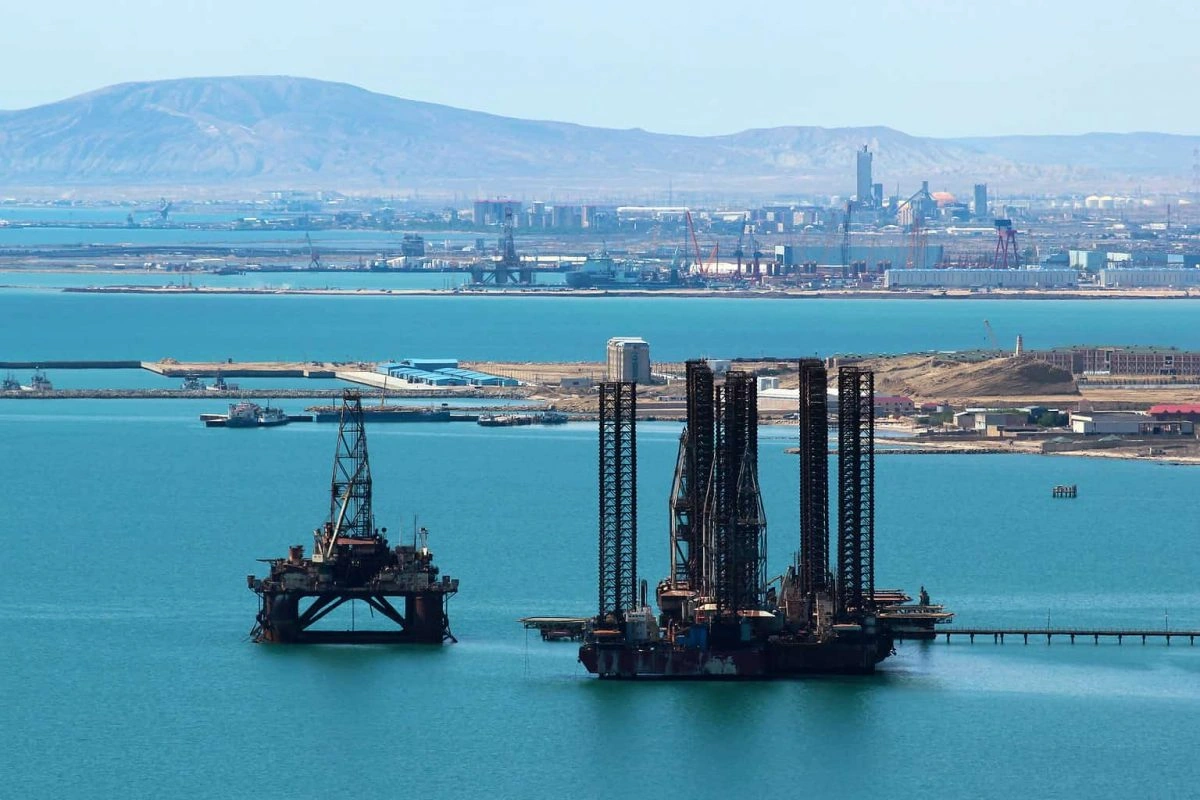
The Caspian is also central to offshore energy production,
fisheries and regional transport projects linking Central Asia with
Azerbaijan and onward to Europe. As cargo volumes along the Middle
Corridor continue to grow, the management of changing sea
conditions is becoming a practical issue not only for environmental
policy but also for long-term infrastructure planning and regional
commerce.