BAKU, Azerbaijan, October 28. Azerbaijan plans
to add 2 gigawatts of electricity generation capacity from
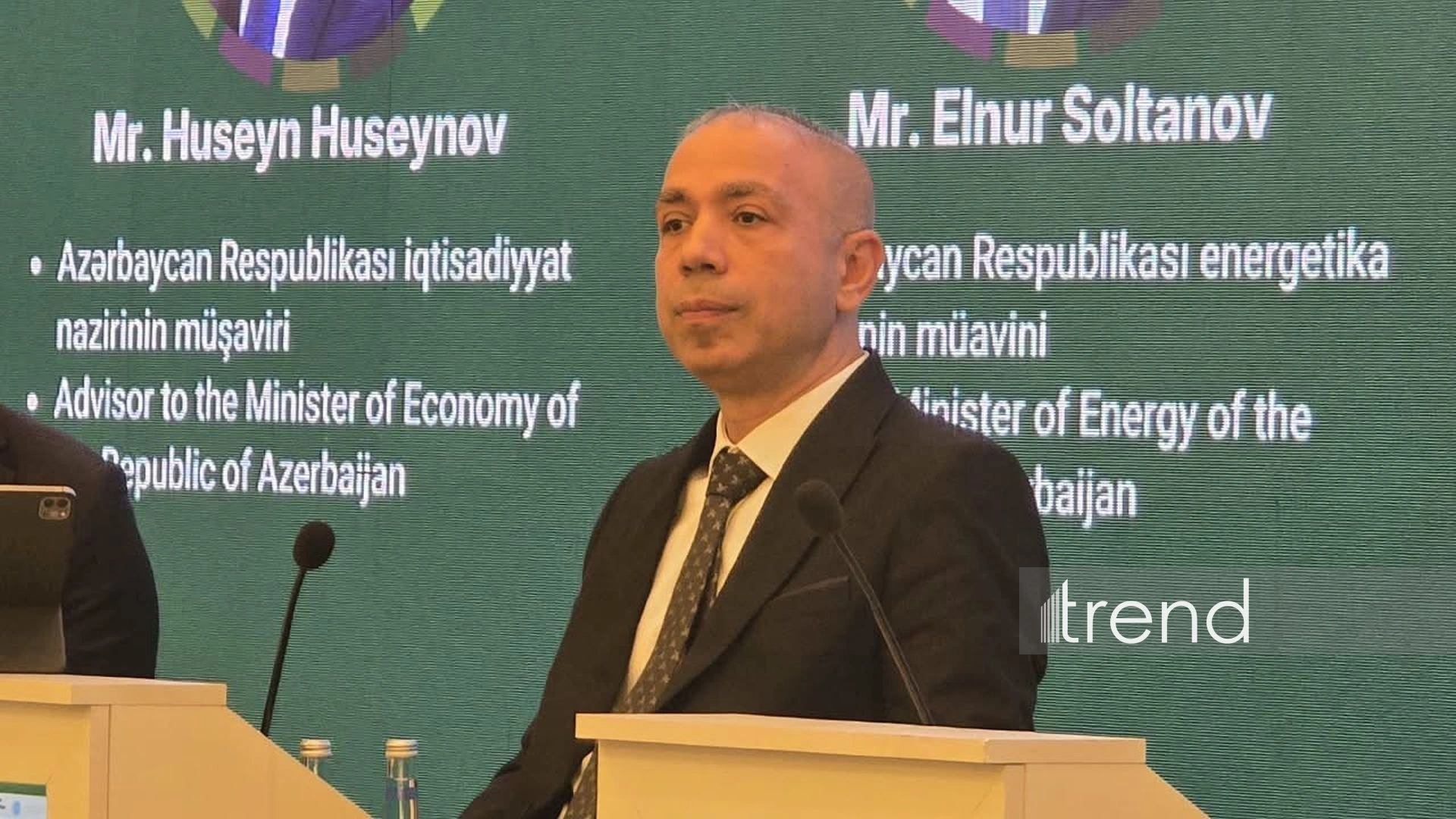
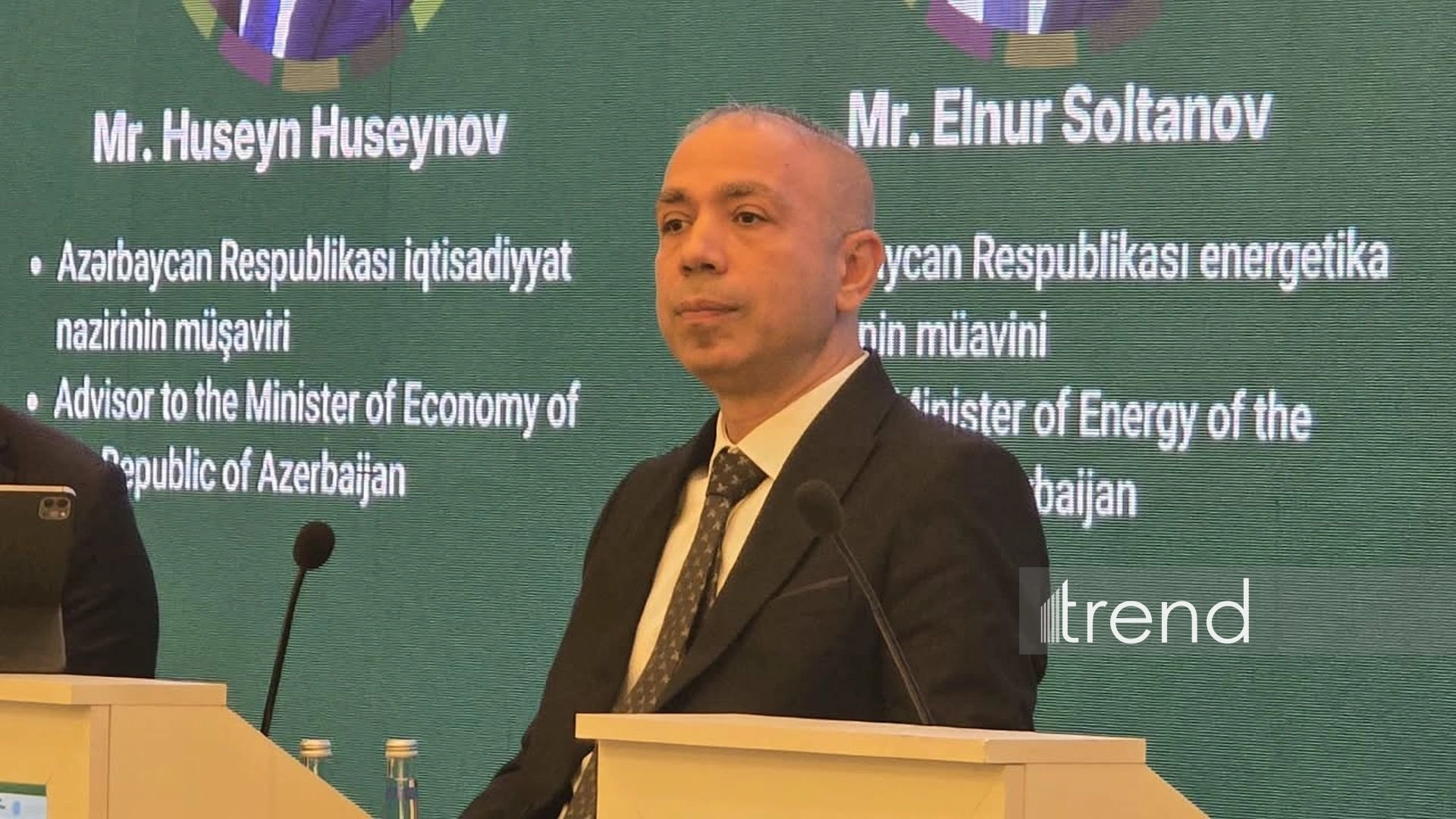
renewable energy sources in 2027–2028, Elnur Soltanov, Azerbaijan’s
Deputy Minister of Energy, said on Wednesday at the 9th Sustainable
Development Goals (SDGs) Dialogue held in Baku, Trend's correspondent reports
from the event.
The deputy minister added that by 2030, the country plans to
increase installed capacity in this sector and raise the share of
renewable energy in total electricity generation to 34 percent.
Moreover, the deputy minister noted that the development of
renewable energy sources is one of the main priorities in
Azerbaijan’s energy sector. Currently, the share of renewable
energy sources in the country’s total installed electricity
generation capacity stands at approximately 21.5%.
According to him, the implementation of wind and solar energy
projects in the coming years will significantly increase this
figure.
“The process of creating an additional 2 gigawatts of capacity
by 2027–2028 has already begun. The next stages also call for the
commissioning of new wind and solar energy capacity. Our goal is to
increase the share of renewable energy sources in total installed
capacity to 34% by 2030,” he noted.
Soltanov emphasized that Azerbaijan aims to strengthen its
position in the renewable energy sector, where it has previously
established itself in the traditional energy sector.
“Azerbaijan holds an important place in the global oil industry
and plays a significant role in the region’s natural gas sector.
Our country also has the potential to become one of the regional
leaders in the field of ‘green energy,’” the deputy minister
stated.
He noted that renewable energy projects create conditions for
attracting significant investment to the country. For example, the
creation of approximately 2 gigawatts of new generating capacity is
expected to attract about $2 billion in investment to the
country.
According to the deputy minister, Masdar, a company from the
United Arab Emirates, is one of Azerbaijan’s key strategic partners
in this sector. As part of the company’s projects, the country
plans to create more than 1 gigawatt of renewable energy capacity
by 2028.
At the same time, Soltanov stated that the development of
renewable energy projects is not limited to the creation of new
generating capacity. Modernizing and strengthening the power grid
are also essential components of this process.
“The development of new renewable energy capacity could attract
billions of dollars in investment to the country. However, to
ensure the safe and efficient transmission of this energy to the
grid, the government must also allocate significant funds to
strengthen the power grid. In its current state, the grid is not
capable of accommodating renewable energy in any volume or with the
necessary flexibility,” he said.
The deputy minister noted that since solar and wind energy
production depends on weather conditions, managing electricity
generated from these sources is more complex than with traditional
energy production. Therefore, it is important to establish storage
systems (battery installations) within the power grid and expand
the grid’s balancing capabilities.
“Electricity is a commodity for which the balance between
production and consumption must be maintained at all times. If the
balance between production and consumption is disrupted, serious
problems can arise in the power grid, and even large-scale power
outages can occur. Therefore, as the share of renewable energy
grows, issues related to power grid management and balancing are
becoming increasingly important,” Soltanov emphasized.
He added that, in some cases, renewable energy is already
competing with traditional energy sources under market conditions.
However, this competition does not occur on an equal footing in all
circumstances, and in addition to the economic viability of
projects, it is necessary to take into account grid infrastructure,
energy storage technologies, and system flexibility.
According to the deputy minister, expanding renewable energy
production, strengthening the power grid, and building battery
storage systems should be carried out in parallel. This approach
could help Azerbaijan achieve its “green energy” goals, attract new
investments, and enhance the resilience of the energy system.