BAKU, Azerbaijan, August 18. Uzbekistan will
cut advance payments for electricity and natural gas to 15% for
businesses connected to the ASKUE and ASKUG systems and maintaining
payment discipline, easing pressure on companies’ working
capital.
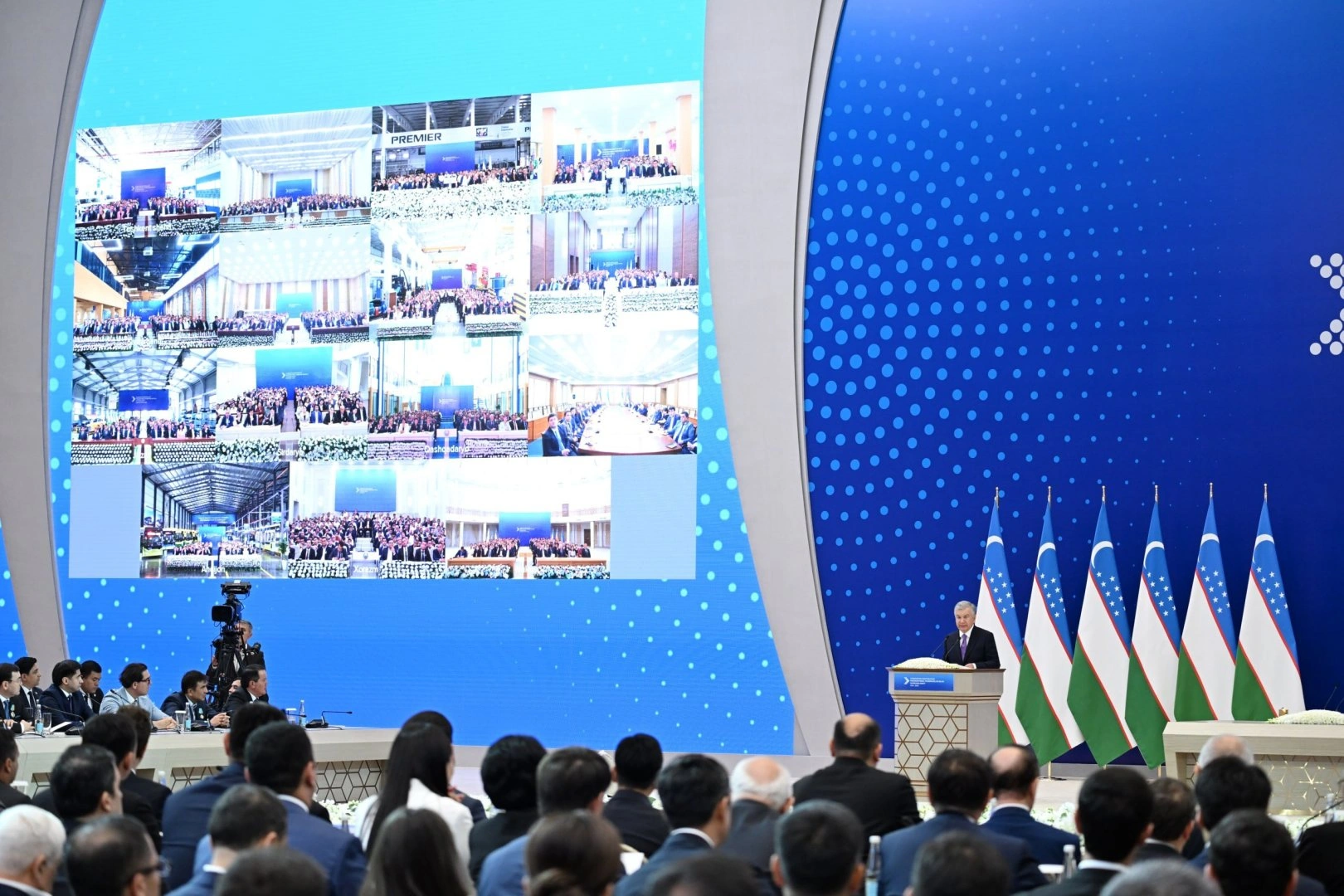
This was reflected in the statement on the Official channel of
the Press Secretary of the President of the Republic of Uzbekistan,
following an open dialogue with the country’s business community in
Khorezm region.
Many entrepreneurs have reported that paying 100% upfront for
electricity and natural gas was reducing their working capital.
Under the new approach, companies connected to the ASKUE and ASKUG
systems and maintaining payment discipline will be required to make
an advance payment of just 15%.
“In general, we are fundamentally changing the energy management
system. A new system will operate in all districts based on
entrepreneurs’ current needs and their plans for the future,”
President Shavkat Mirziyoyev said.
The government will also introduce a new approach to
construction starting next year, designed to encourage the growth
of contractors and design companies.
Regardless of where construction projects are located, 5% of the
minimum wage will be allocated for each labor hour. State project
estimates will also include a 7% profit margin for contracting
companies.
Funding for design work will be set at between 4% and 7% of a
project’s value, depending on the complexity of the construction
project.
Mirziyoyev also identified the creation of an ecosystem linking
artificial intelligence, management efficiency and new investment
as a third priority.
The government aims to encourage businesses to use AI to improve
productivity, reduce costs and increase the share of value added in
their products and services.
“Today, whichever entrepreneur increases added value, raises
productivity with the help of artificial intelligence and works to
reduce costs will own tomorrow’s market,” Mirziyoyev said.
The measures are part of a broader package of reforms announced
by the president to help businesses preserve working capital,
improve access to financing and strengthen competitiveness.
The new energy payment rules are expected to provide additional
liquidity for businesses, while the construction measures are
intended to create more predictable financial conditions for
contractors and design firms.
At the same time, the government is positioning AI adoption as a
key driver of productivity and investment, with businesses
encouraged to use new technologies to become more competitive in
domestic and international markets.