BAKU, Azerbaijan, August 18. Uzbekistan’s tax
burden has fallen from 13.4% to 12% over the past three years,
while the share of the shadow economy has declined from 50% to 26%
over the past decade.
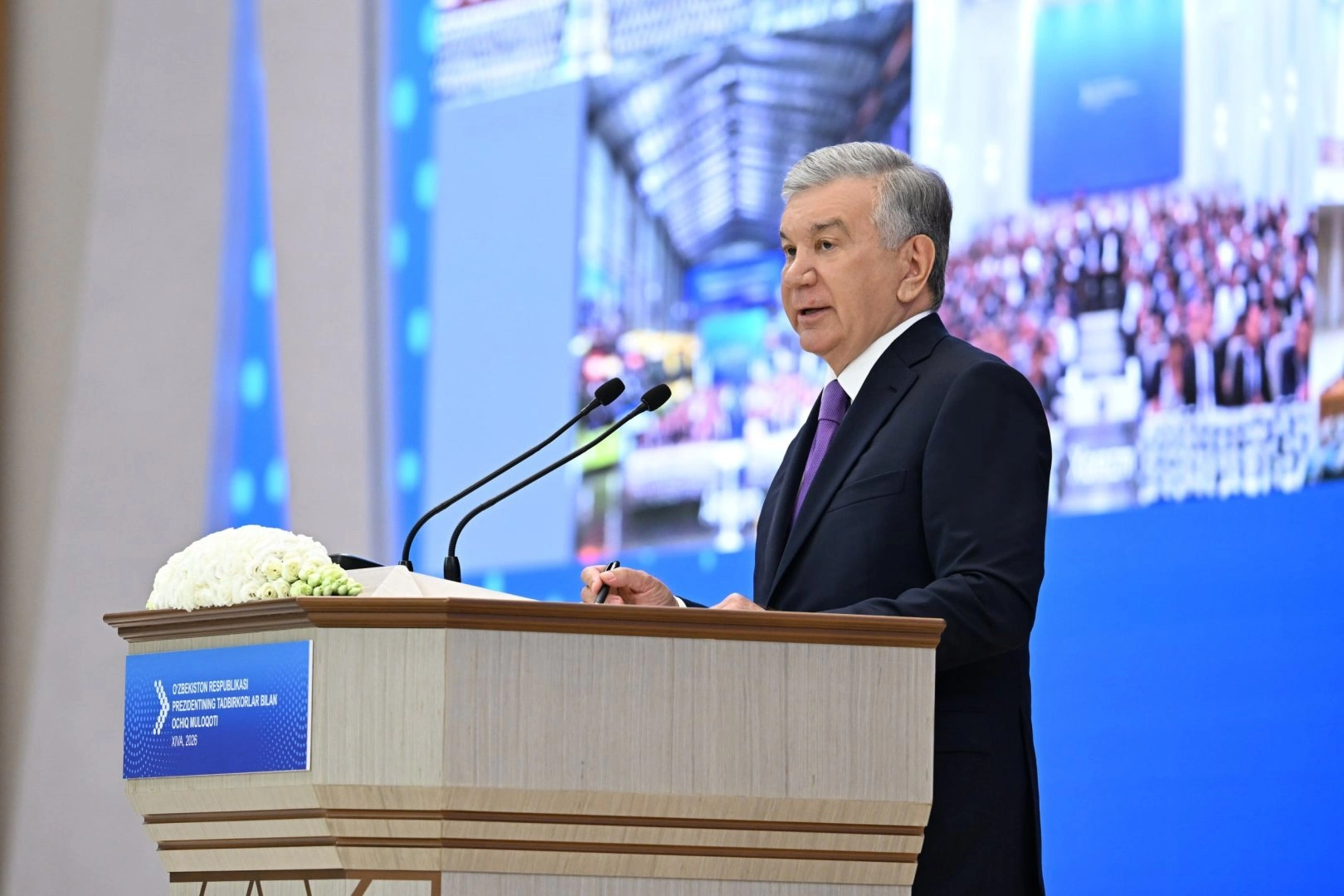
This was announced in a statement published by the Press
Secretary of the President of Uzbekistan following an open dialogue
attended by the President with representatives of the country’s
business community in the Khorezm Region.
According to the information, the measure is part of the
government’s fifth priority — significantly reducing administrative
pressure on businesses.
“The economy should be brought out of the shadow not through
inspections, but by guiding entrepreneurs and teaching them to
operate correctly,” Mirziyoyev said.
The president said an analysis of 5,000 businesses found that
more than half had undergone two or three tax inspections in a
single year, while another 21% had been inspected four or more
times.
Businesses also face repeated inspections from fire safety,
construction, sanitary, quarantine and energy authorities, adding
to the administrative burden.
“We need to understand one thing: where there is no peace of
mind, there can be neither freedom nor development or the desire to
innovate,” Mirziyoyev said.
Under the new measures, small businesses will receive a
three-year moratorium on any inspections that are not related to
risks to human health or the interests of other entrepreneurs.
The government will also introduce greater flexibility for
medium-sized and large businesses. Companies that voluntarily
undergo preventive audits will have the results recognized by tax
authorities.
Businesses that correct identified deficiencies following such
audits will not face fines, while repeat inspections within the
same year will only be permitted with the approval of the Business
Ombudsman.
The reforms are intended to shift the relationship between
businesses and regulators away from repeated inspections and toward
preventive compliance, while providing entrepreneurs with greater
certainty to invest, expand operations and introduce new products
and technologies.