TASHKENT, Uzbekistan, August 26. Uzbekistan
plans to launch a program to issue sovereign Islamic bonds (sukuk)
as part of efforts to further develop Islamic finance, Governor of
the Central Bank of Uzbekistan Timur Ishmetov said, Trend's special correspondent
reports from Tashkent.
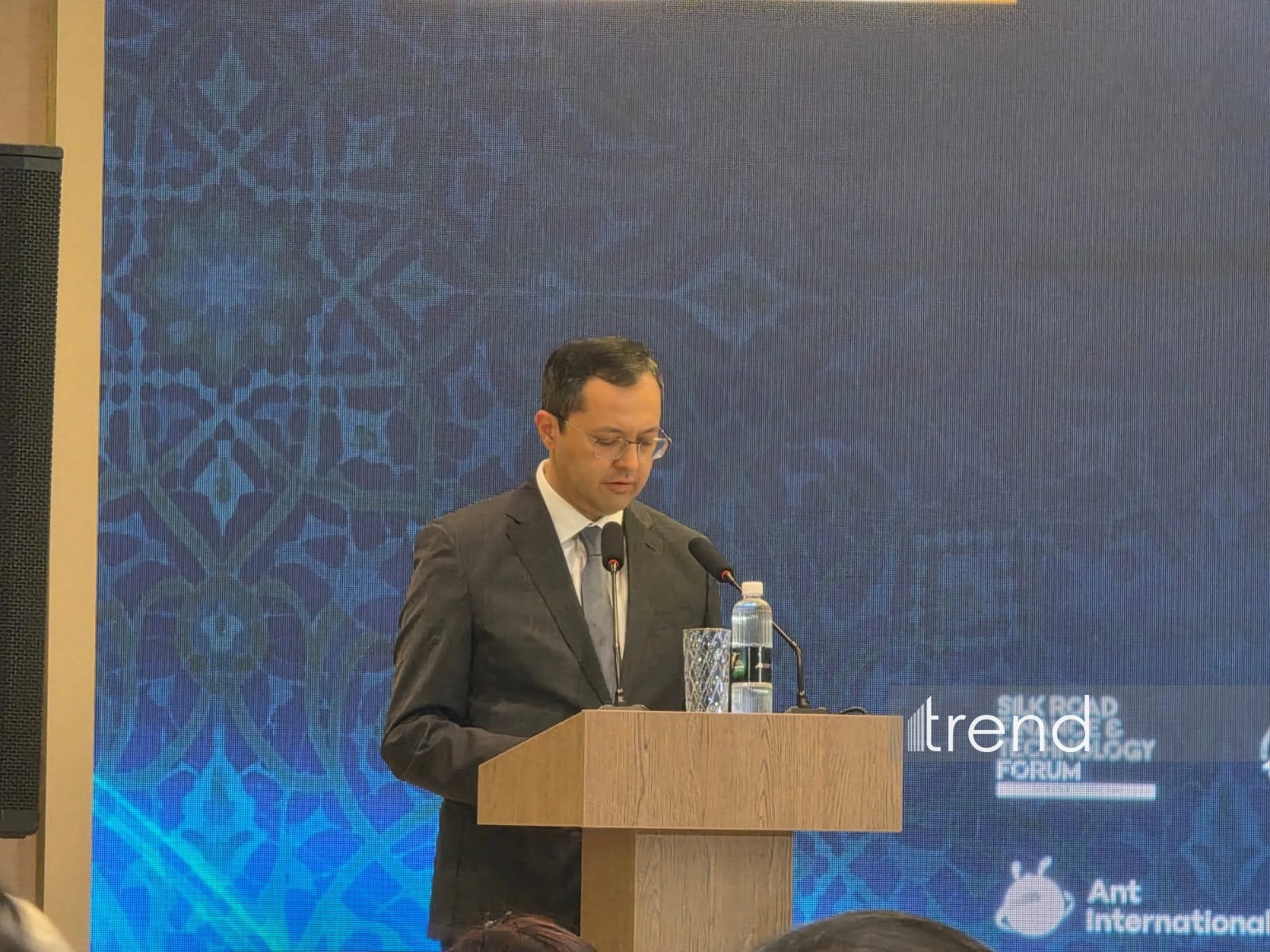
Speaking at the Silk Road Finance & Technology Forum, Ishmetov
said the development of Islamic finance is an important element of
diversifying Uzbekistan’s financial system and attracting new
sources of investment. "We will launch a program to issue sovereign
Islamic bonds. This will give a powerful impetus to attracting
knowledge and $10 billion in additional investment into our
enterprises in the future," Ishmetov said.
According to him, the development of modern Islamic finance in
Uzbekistan is being pursued across three main areas: Islamic
microfinance, Islamic banking and Islamic capital markets.
The first stage was linked to establishing a legal framework
enabling microfinance organizations to offer Islamic financial
products. Currently, 12 microfinance organizations provide such
services based on murabaha, salam, mudaraba and musharaka
contracts. "Interestingly, one microfinance institution has fully
specialized in financing and supporting entrepreneurs through
profit-sharing contracts," the governor said.
Ishmetov said the second stage began with the adoption of the
law on the introduction of Islamic banking activities on June 29
this year.
The new law establishes a legal framework for Islamic banking in
Uzbekistan and allows Islamic banks and Islamic windows within
conventional banks to operate under a dedicated Islamic banking
license.
It also introduces an Islamic finance governance framework,
including the establishment of an Islamic Finance Board at the
Central Bank and Islamic finance boards within banks.
The governor noted that ensuring tax neutrality for Islamic
financial transactions remains an important issue. "A dedicated
taxation regime was introduced within the new law. Tax neutrality
is provided in regard to VAT and income tax, as well as relevant
exemptions related to state duties," he said.
Regarding the development of Islamic capital markets, Ishmetov
said a draft law on the capital market includes a dedicated chapter
on sukuk.
According to him, the draft legislation is intended to establish
the legal basis for issuing sovereign sukuk, set requirements for
compliance with Islamic finance standards and provide mechanisms
for investor protection and asset segregation.
Ishmetov also announced the development of a five-year roadmap
for the development of Uzbekistan’s Islamic finance industry for
2026–2030. "Over the coming years, our efforts will focus on
further strengthening the legal and regulatory framework,
developing human capital and enhancing public awareness, deepening
international cooperation, facilitating the start of Islamic
banking operations and building supporting infrastructure for
Islamic finance," he said.
The Central Bank governor also highlighted the role of
digitalization in expanding Islamic financial services.
"In this new era of the digital economy, we believe that the
provision of financial services, including Islamic financial
services, through digital channels will play an increasingly
important role in creating new opportunities for innovation,
investment and economic development," Ishmetov concluded.