BAKU, Azerbaijan, September 3. More than 96,000
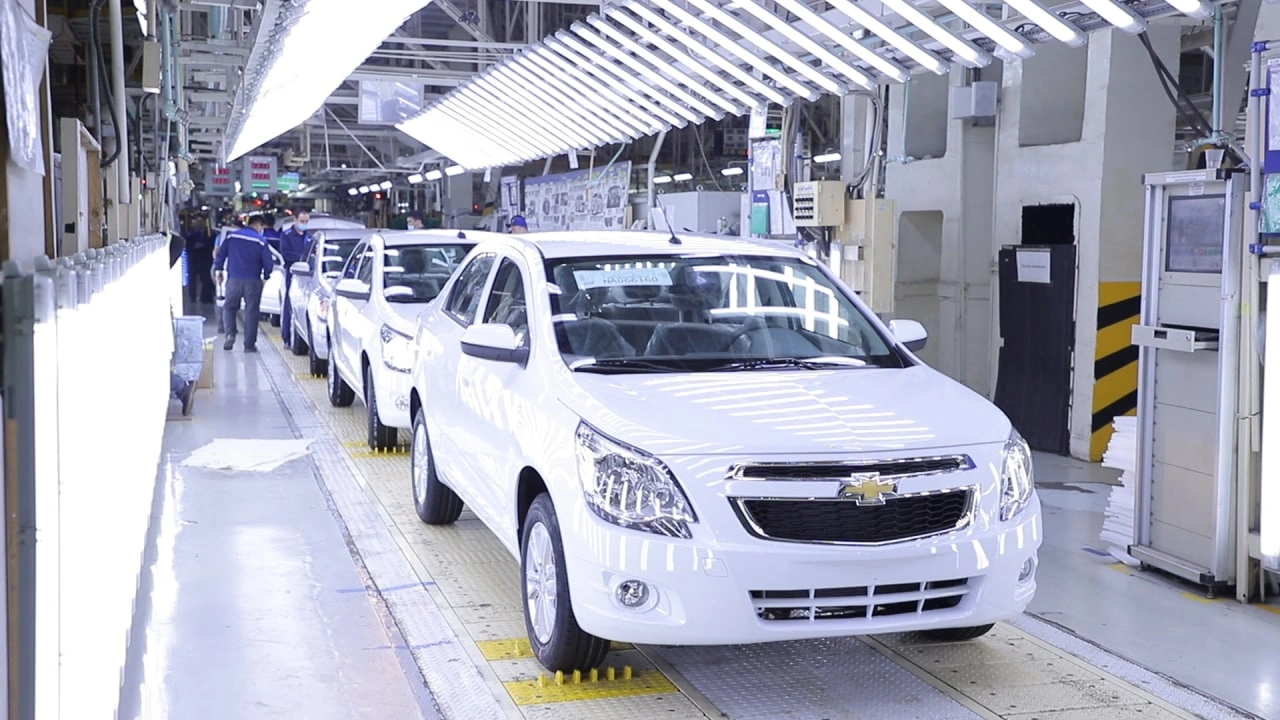
vehicles were produced in Kazakhstan in January-July 2026, with
passenger car production increasing by 37.2% year-on-year, buses by
27.6% and special-purpose vehicles by 45.1%, the country's
government press service said.
"The qualitative transformation of the industrial model is
reflected in the shift from large-unit assembly toward the
production of higher-value-added goods. Mechanical engineering is
becoming one of the examples of the transition to more complex
production inside the country," the government said.
The mechanical engineering industry grew by 22% in the seven
months compared to January-July 2025, producing goods worth 3.2
trillion tenge ($6.9 billion).
The government noted that the share of small-unit assembly
reached 28.3%. The launch of the full-cycle KIA Qazaqstan plant in
Kostanay and the multi-brand Astana Motors Manufacturing plant in
Almaty, with a combined annual capacity of 90,000 vehicles, is
helping form a broader industrial ecosystem. Production of tires,
batteries, seats and multimedia systems has already been
established around these enterprises.
In the agricultural sector, 10 domestic enterprises now cover
90% of Kazakhstan's demand for tractors and combine harvesters.
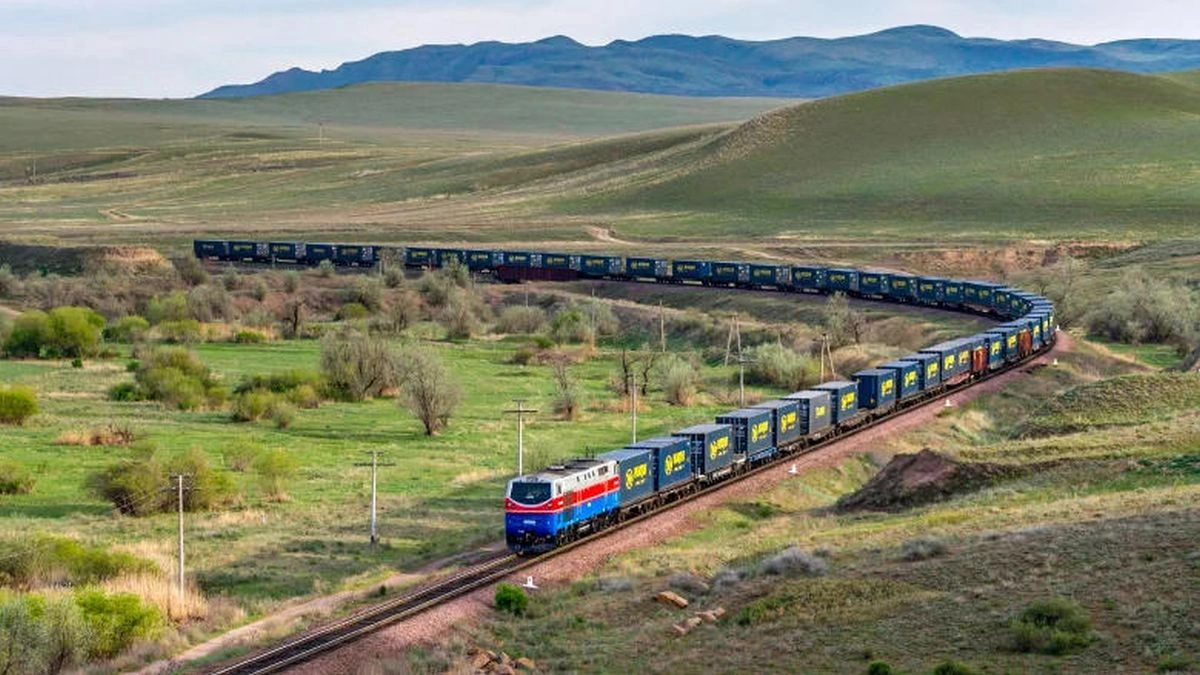
Railway engineering is also expanding, with production reaching
345 billion tenge ($746.2 million). Passenger wagon output
increased by 10.7%, while locomotive production grew by 23.8%, and
production of tank wagons has been launched. The share of local
content at the SC Lokomotiv Kurastyru Zauyty plant in Astana
reached 75%.
The expansion of machinery and railway production is taking
place against the backdrop of a broader strengthening of
Kazakhstan's manufacturing sector. Manufacturing output amounted to
18.8 trillion tenge ($40.7 billion) in January-July 2026,
increasing by 9% year-on-year, while the sector's share of total
output rose to 46.7%, exceeding mining's 45.8% for the first
time.
Taken together, the figures indicate a broader shift in
Kazakhstan's industrial structure, with localization extending
beyond vehicle assembly into the production of components,
agricultural machinery and railway equipment, Trend's analysis shows. As
domestic supply chains deepen, the movement of components, raw
materials and finished products is becoming an increasingly
important part of the country's industrial development.
This trend also increases the importance of efficient logistics
and reliable transport links for Kazakhstan's manufacturing sector,
particularly as the country seeks to strengthen its role as a
logistics hub connecting Europe and Asia.
Tatiana Rey-Bellet, IRU's TIR and Transit System Director, told
Trend in an exclusive interview that Central Asia's transport
corridors are undergoing a major transformation amid rising cargo
flows and changing patterns of international trade, with their
future development depending on a combination of infrastructure
investment, digital solutions, international standards and private
sector participation.
Rey-Bellet emphasized that the development of transport
corridors requires not only investment in physical infrastructure
but also improvements in border procedures and digital connectivity
between countries.
"Despite massive investments into hard infrastructure, led by
governments and multilateral development banks across the region,
it remains a network where rapid hardware expansions are routinely
undermined by soft connectivity inefficiencies," Rey-Bellet
said.
The exchange rate used for the conversion is 462.31 tenge per $1
as of September 1, 2026.