BAKU, Azerbaijan, August 10. Nearly 20% of the
1.9 million tons of petroleum products shipped through
Turkmenistan's Kenar oil loading terminal since the beginning of
2026 were exported.
This figure was calculated by Trend based on the official data from a press release
issued by Turkmennebit State Concern.
"Since the beginning of the year, the Kenar oil storage and
loading enterprise has supplied 1.89 million tons of petroleum
products to domestic and foreign consumers, including more than
372,000 tons exported to external markets," the statement said.
According to Turkmennebit, the terminal handled exports of
aviation kerosene, gasoline, diesel fuel, kerosene and lubricants
produced at the Turkmenbashi Complex of Oil Refineries (TCOR).
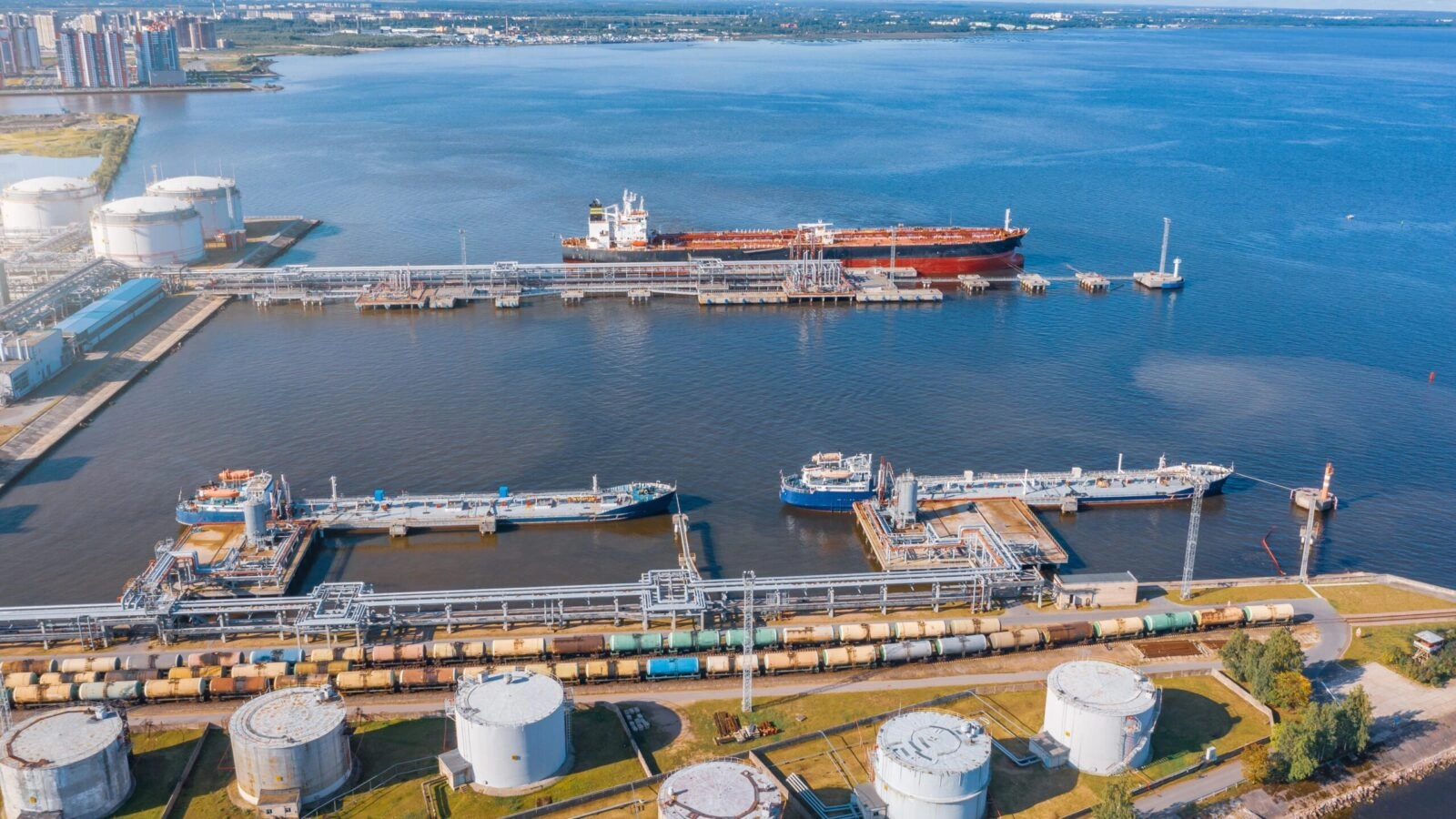
The concern said the terminal's automated railway loading
facility has an annual capacity of 3.9 million tons of light
petroleum products, while its third marine berth can load up to 2.1
million tons of petroleum products and receive up to 1.2 million
tons of crude oil and refined products annually.
The company added that the railway terminal incorporates a vapor
recovery system capable of preventing the annual loss of more than
300 tons of gasoline during loading operations, while automated
weighing and documentation systems have been introduced to improve
operational efficiency.
Trend's analysis
shows that Turkmenistan's growing emphasis on value-added
production reflects both domestic industrial priorities and shifts
in global commodity markets. Rather than expanding exports of raw
hydrocarbons alone, Ashgabat has increasingly invested in
petrochemicals, refined petroleum products, mineral fertilizers and
construction materials, allowing the country to generate higher
export revenues from the same resource base while reducing exposure
to commodity price volatility. The approach also aligns with the
broader industrial strategies pursued by other resource-rich
economies seeking to strengthen manufacturing and export
resilience.
Another important factor is the heightened focus on energy
security following the disruption of global supply chains during
the Iran conflict and the temporary closure of the Strait of
Hormuz. According to the International Energy Agency, the crisis
became the largest disruption in the history of the global oil
market, prompting strategic stock releases and exposing the
vulnerability of international fuel and petrochemical supply
chains. At the same time, United Nations Conference on Trade and
Development warned that disruptions in the Gulf affected not only
crude oil but also refined petroleum products, fertilizers and
other industrial commodities, reinforcing the importance of
diversified and geographically distributed production capacity.
Against this backdrop, expanding domestic processing industries
positions Turkmenistan to meet rising regional demand for refined
fuels, bitumen, polymers and fertilizers, particularly from
neighboring Central Asian markets pursuing large-scale
infrastructure, industrial and agricultural projects. The World
Bank projects Central Asia's economy to grow by an average of 4.9%
over 2026-2027, supported by resilient domestic demand, investment
and trade, although at a slower pace than in recent years.
Combined with the ongoing development of the Middle Corridor and
other Eurasian transport routes, higher-value industrial exports
offer the country greater flexibility to respond to changing trade
flows while strengthening its role as both a manufacturing and
transit hub.