BAKU, Azerbaijan, September 7. “We expect wind
power generation to increase nearly sixfold and solar power
generation to rise by more than 26% by the end of this year”,
Trend’s
correspondent reports from the event.
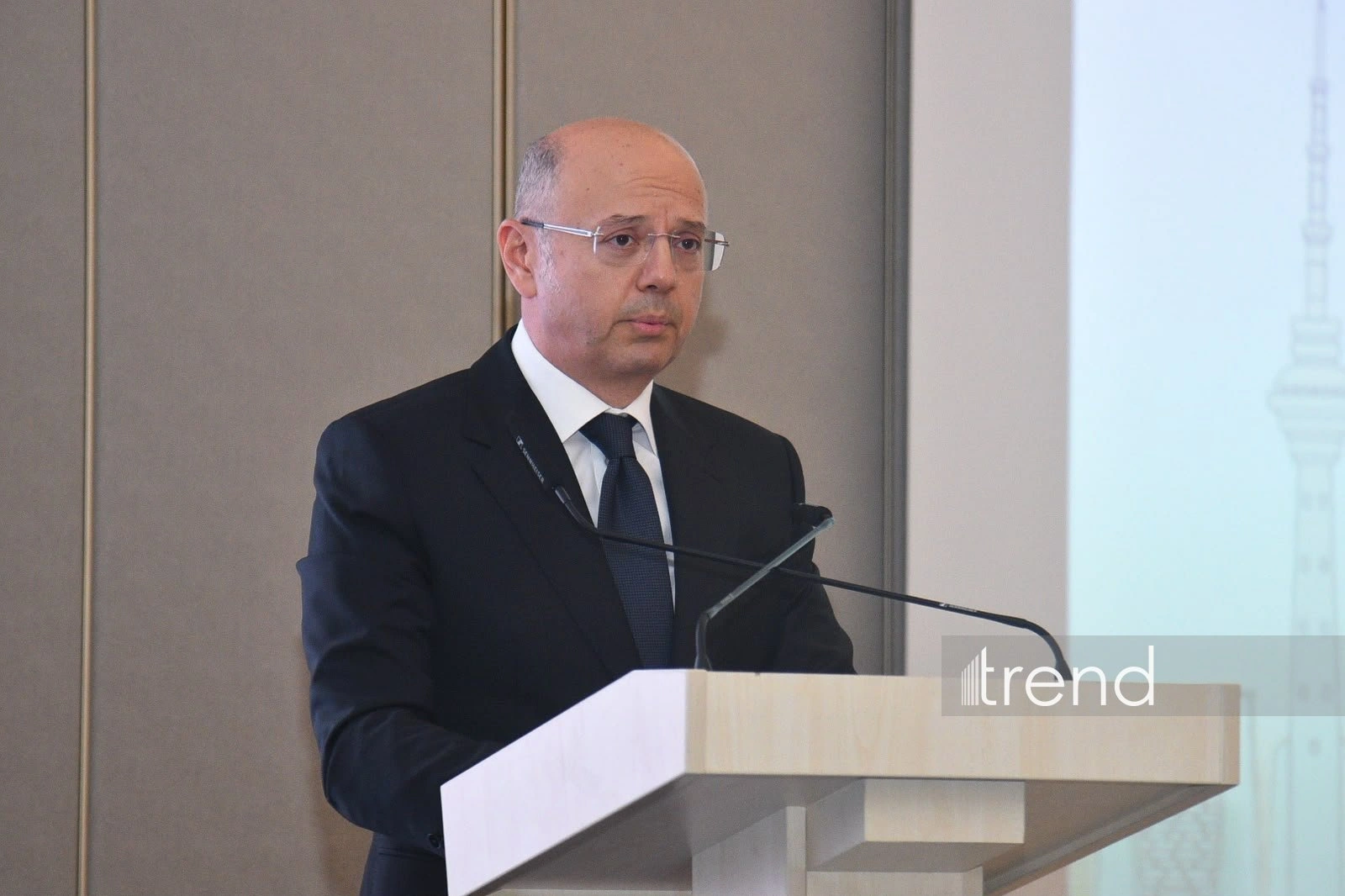
Azerbaijan’s Energy Minister Parviz Shahbazov said this while
addressing the opening ceremony of the Fourth Climate Week of the
United Nations Framework Convention on Climate Change (UNFCCC).
The minister said recent energy crises, along with growing
energy demand driven by electrification, digitalization, artificial
intelligence and data centers, have shown that a hasty phaseout of
fossil fuels does not constitute a successful energy
transition.
“The key issue is to build a clean, secure and sustainable
energy system at an optimal pace that enables solutions to all
environmental challenges. In this new reality, alongside the
creation of new generation capacity, the development of power
grids, energy storage systems, energy efficiency and the
interconnection of energy systems are equally important,” Shahbazov
emphasized.
He said the initiatives put forward by Azerbaijan during its
COP29 presidency were based on this approach.
“To date, 74 countries have joined the Global Energy Storage and
Grids Pledge, 70 countries have joined the Hydrogen Declaration and
64 countries have joined the Green Energy Pledge,” the minister
said.
Shahbazov said the strategic vision set by Azerbaijani President
Ilham Aliyev is the core principle of the country’s energy
policy.
“This strategic vision is to align energy security with the
green transition, use Azerbaijan’s existing energy potential to
build a sustainable and low-carbon energy system, while also
strengthening our country’s position as a regional green energy hub
through the diversification of energy connections,” he added.
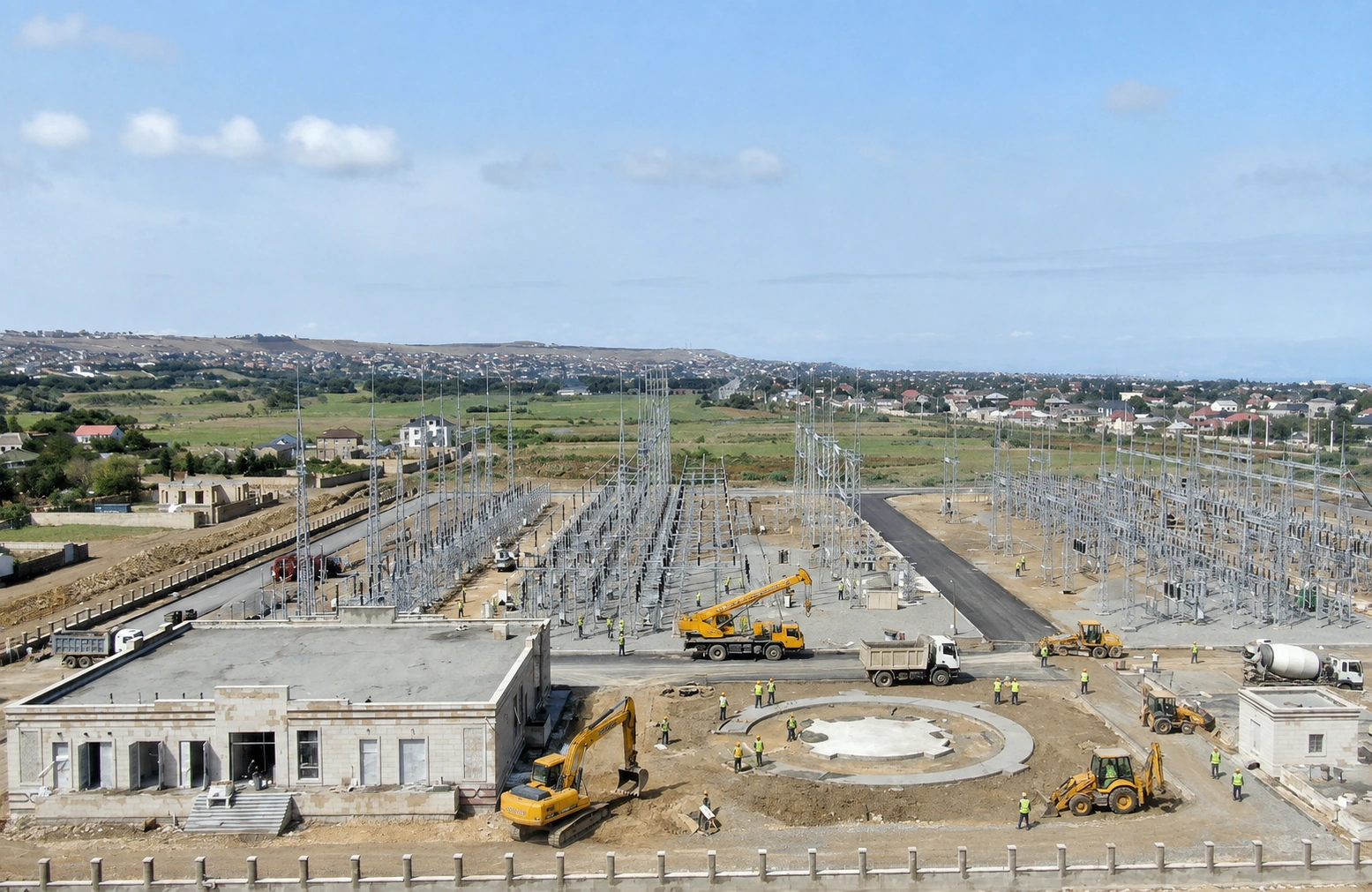
According to the minister, alongside the implementation of solar
and wind energy projects with a total capacity of approximately 8
GW, power grids are currently being strengthened, energy storage
systems are being deployed, the flexibility of the energy system is
being increased and new energy interconnectors are being
developed.
“The results are already reflected in our energy balance. We
expect wind power generation to increase nearly sixfold and solar
power generation to rise by more than 26% by the end of this year,”
Shahbazov said.
He said the integration of approximately 2 GW of solar and wind
capacity into the power grid is planned by the end of next
year.
“This will enable a reduction of 2.4 million tons of emissions
annually,” the energy minister added.
It should be noted that the Fourth Climate Week (CW4) of the
United Nations Framework Convention on Climate Change is being held
in Baku, hosted by the Republic of Azerbaijan and organized by the
Ministry of Foreign Affairs of the Republic of Azerbaijan.
Government and state officials from various countries, as well
as representatives of international organizations, experts,
financial institutions, the private sector and civil society, are
participating in the events.
As part of the Fourth Climate Week and Baku Climate Action Week,
a series of sessions, panel discussions and other events will be
held on climate change, climate finance, sustainable development
and accelerating climate action.
The events are expected to further strengthen Baku’s active role
in the global climate agenda while making an important contribution
to strengthening international climate cooperation ahead of
COP31.
The fourth Climate Week (CW4) of the UN Framework Convention on
Climate Change is being held in Baku through September 11, hosted
by the Republic of Azerbaijan and organized by the Azerbaijani
Ministry of Foreign Affairs.
Baku, which has become an important international platform for
the climate agenda, is hosting discussions on the practical
implementation of climate decisions, the expansion of international
cooperation, and further strengthening global climate action ahead
of COP31. Representatives of governments and international
organizations, experts, financial institutions, the private sector,
and civil society from various countries are expected to attend the
events.
Baku Climate Week is designed as an international platform for
discussions on combating climate change, the energy transition,
renewable energy, sustainable development, and accelerating climate
action. The events will further strengthen Baku’s active role in
the global climate agenda and make an important contribution to
strengthening international climate cooperation ahead of COP31.